


Upcoming webinars
Whatever your trading style or experience level, there's a wide range of topics to support your journey. Register today and tune in live wherever you are.
We don't have any webinars lined up at the moment. Check back soon.
Past Pepperstone webinars
Episode 2: Mean Reversion and Compression Model
In this webinar, we break down when mean reversion works, when it becomes dangerous, and why it is one of the most misapplied trading styles. Range, balance, and compression conditions: understand the environments where mean reversion has edge. Precision vs frequency trade-offs: learn why selective execution matters more than activity. Why most traders misuse mean reversion: identify the structural mistakes that lead to losses. This session delivers actionable insights to help you apply mean reversion with discipline.
Episode 7: Trade Exits - The Hardest Decision in Trading
Improve trade management with “Trade Exits – The Hardest Decision in Trading.” Learn why exits challenge more than entries and how experienced traders structure targets with clarity. Understand partial exits, letting positions run, and balancing reward potential with realistic expectations. Build a defined approach to closing trades. Ideal for traders who want control beyond the entry.
Episode 5: Understanding Risk - What Experienced Traders Do Differently
Build consistency with “Understanding Risk – What Experienced Traders Do Differently.” Learn how professionals manage risk to protect longevity and stabilise performance. See why small losses support long-term outcomes and how simple rules control overall account exposure. Identify hidden risk traps before they compound. Ideal for traders who want durability, not short-term swings.

Episode 11: Why Traders Change Their Decisions Mid‑Trade
Maintain consistency with “Why Traders Change Their Decisions Mid Trade.” Learn why traders abandon plans once a trade is live and how to stay aligned with predefined rules. Recognise emotional decision points and separate trade quality from outcome. Ideal for traders who want behavioural control.
Episode 11: Trader Identity and Self-Sabotage
When Progress Creates New Risks. In this webinar, we break down how identity conflict undermines consistency. Fear of consistency: recognise resistance to stability. Why traders break rules after good runs: understand behavioural shifts. Trading as self-image, not just execution: separate ego from process. This session delivers actionable insights to reduce self-sabotage.
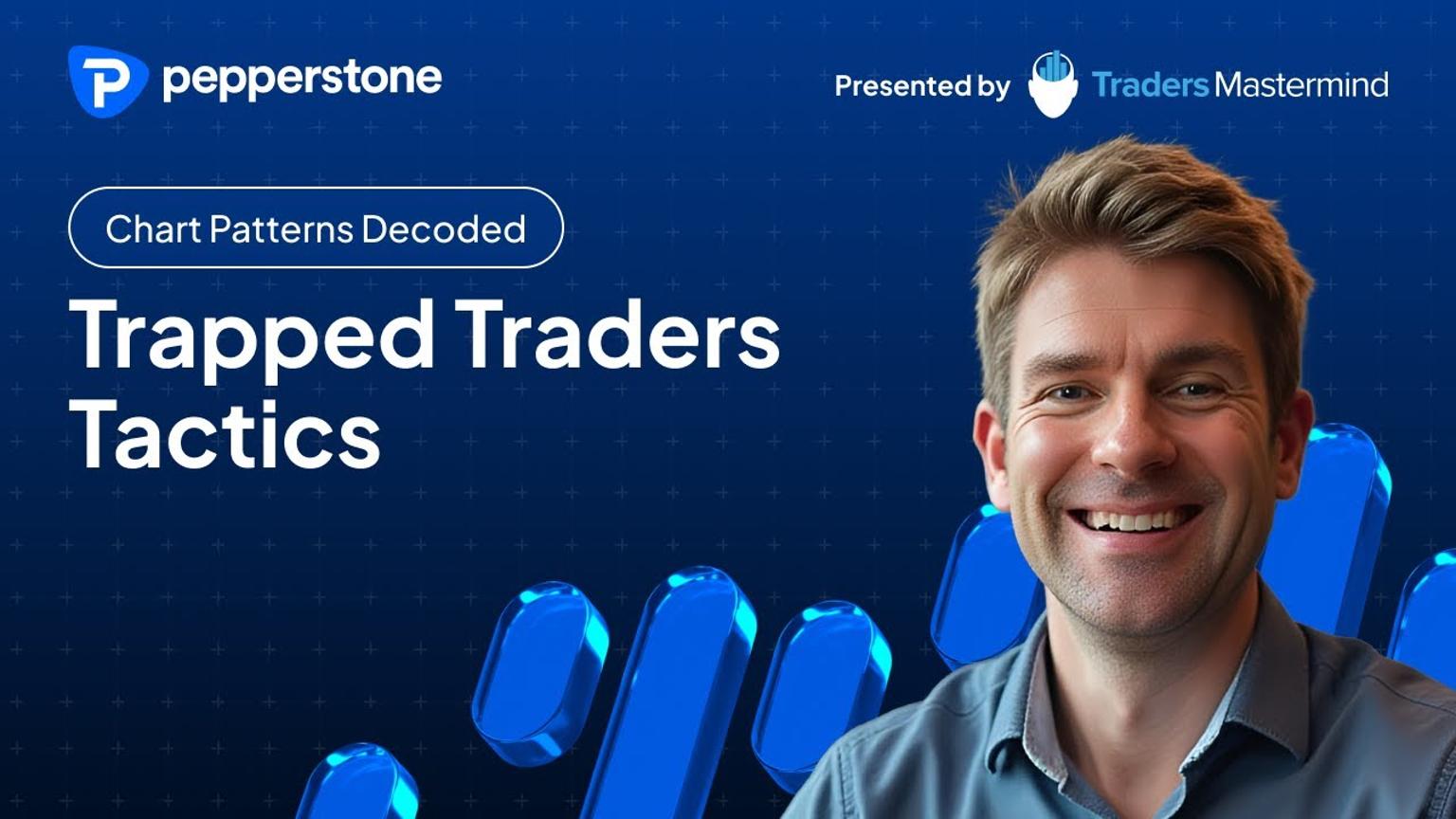
Trapped Traders Tactics – Chart Patterns Decoded with Mark Holstead
Discover how to identify trapped traders and build structured trades from their mistakes. Mark Holstead explains the psychology behind trap moves, how to spot stop runs and squeezes, and how to structure trades from trapped setups.
Episode 4: How Traders Read Price Behaviour at Key Levels
Refine your entry timing with “How Traders Read Price Behaviour at Key Levels.” Learn why candlestick patterns only matter in the right location and how experienced traders interpret price reaction and momentum. Understand rejection, intent, and confirmation at key levels. Use candlesticks as context - not prediction. Ideal for traders who want precision at critical areas.

Episode 8: How Traders Think About Position Size & Exposure
Control exposure with “How Traders Think About Position Size and Exposure.” Learn how position size reflects trade risk and how experienced traders manage exposure as trades develop. Apply a simple framework for consistent sizing, adding to strength, and reducing risk as conditions change. Ideal for traders focused on long-term performance stability.
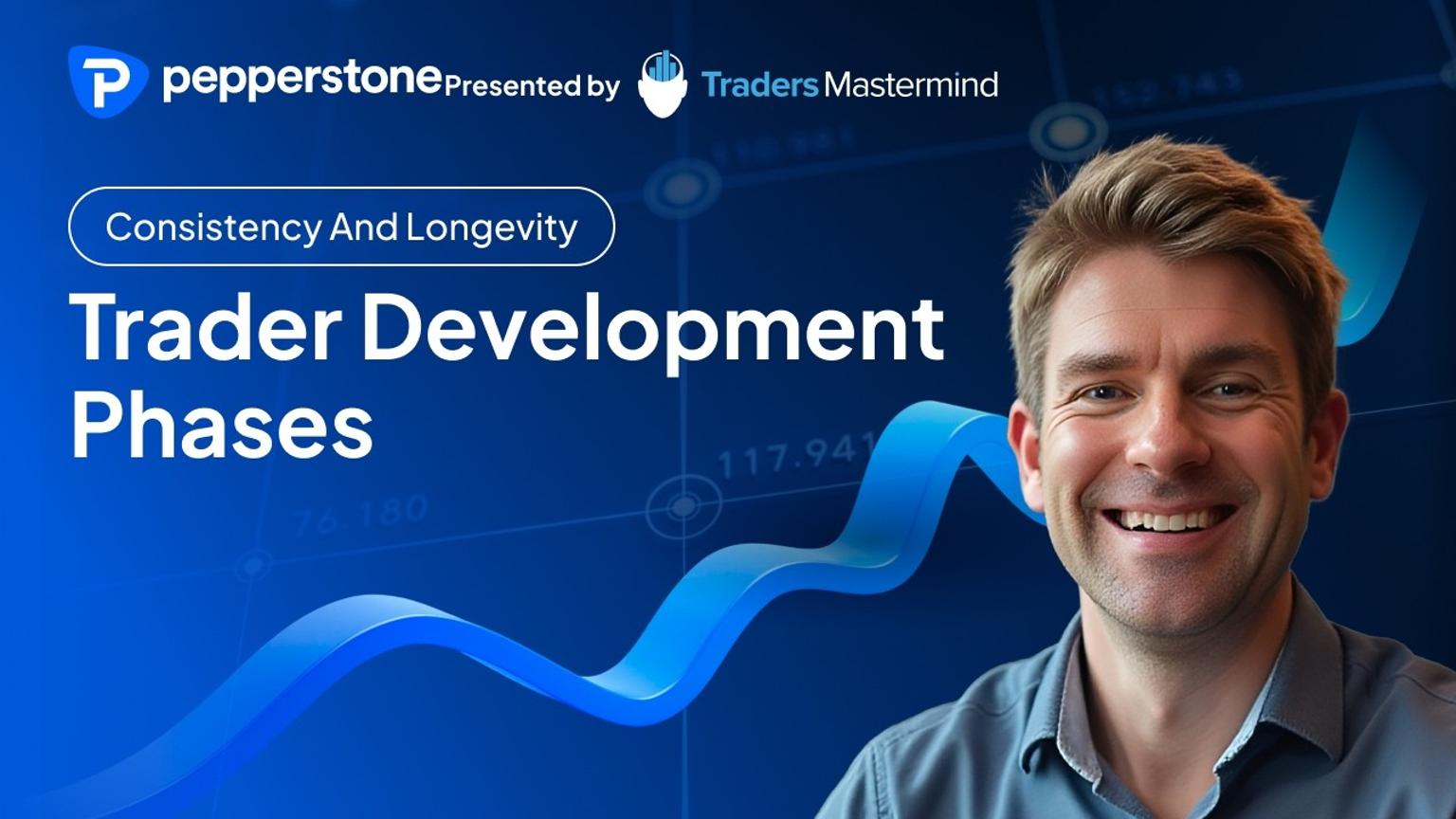
Episode 10: Trader Development Phases
Understanding the Trader Lifecycle. In this webinar, we break down the emotional and skill-based phases traders experience. Skill growth vs P&L growth mismatch: manage expectations. The invisible middle phase: understand slow progress periods. Why traders quit just before improvement: avoid premature exits. This session delivers actionable insights to support long-term development.
Episode 6: How Traders Think About Stop Losses
Strengthen trade discipline with “How Traders Think About Stop Losses.” Learn how to place stops logically using market structure and why every trade requires a predefined exit. Avoid stops that are too tight or unnecessarily wide. Stay objective when a trade is invalidated. Ideal for traders who want structured risk control and consistent execution.

Episode 12: How Market Context Changes Everything
Strengthen context awareness with “How Market Context Changes Everything.” Learn how trend, range, and volatility shape trade behaviour. See why identical setups perform differently across environments. Prioritise context over isolated patterns. Ideal for traders who want sharper situational judgement.
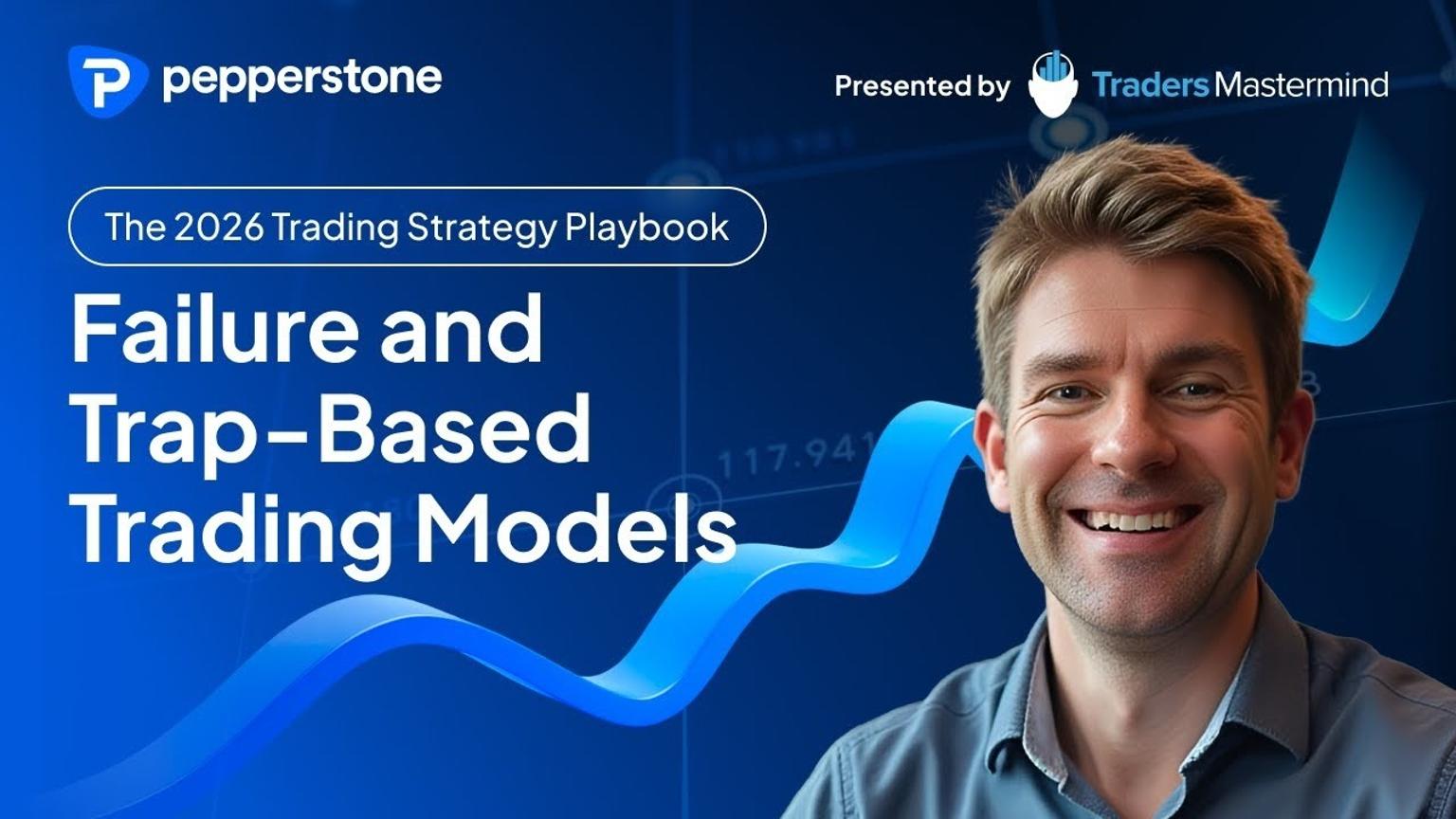
Episode 3: Failure and Trap-Based Trading Models
Why Failed Moves Create Opportunity. In this webinar, we break down how failed breakouts and failed trends reveal critical information about market positioning. Failed breakouts and failed trends: learn how failure becomes opportunity. What failure reveals about positioning and order flow: read intent more clearly. Risk rules that matter most in failure trades: control downside in fast conditions. This session delivers actionable insights to help you trade failure with structure.
Explore other ways to trade better
Trading guides
Whether you're just starting out or refining your strategy, our trading guides have you covered.
Market analysis
Access high-impact economic event coverage, expert commentary, and more from our global market analysts.
Education
Upskill yourself with our comprehensive range of educational resources, from the basics to advanced strategies.
Ready to trade better?
Switch to Pepperstone now and join our global community of over 909,000 traders.* Apply in minutes with our online application process.
Register
Sign up with your email address and get a free demo.
Answer
We'll assess your suitability for our products.
Verify
Your safety is our top priority.
Fund
That's it! You're ready to trade.
*Data for the Pepperstone Group, correct as of 1 March 2026.